
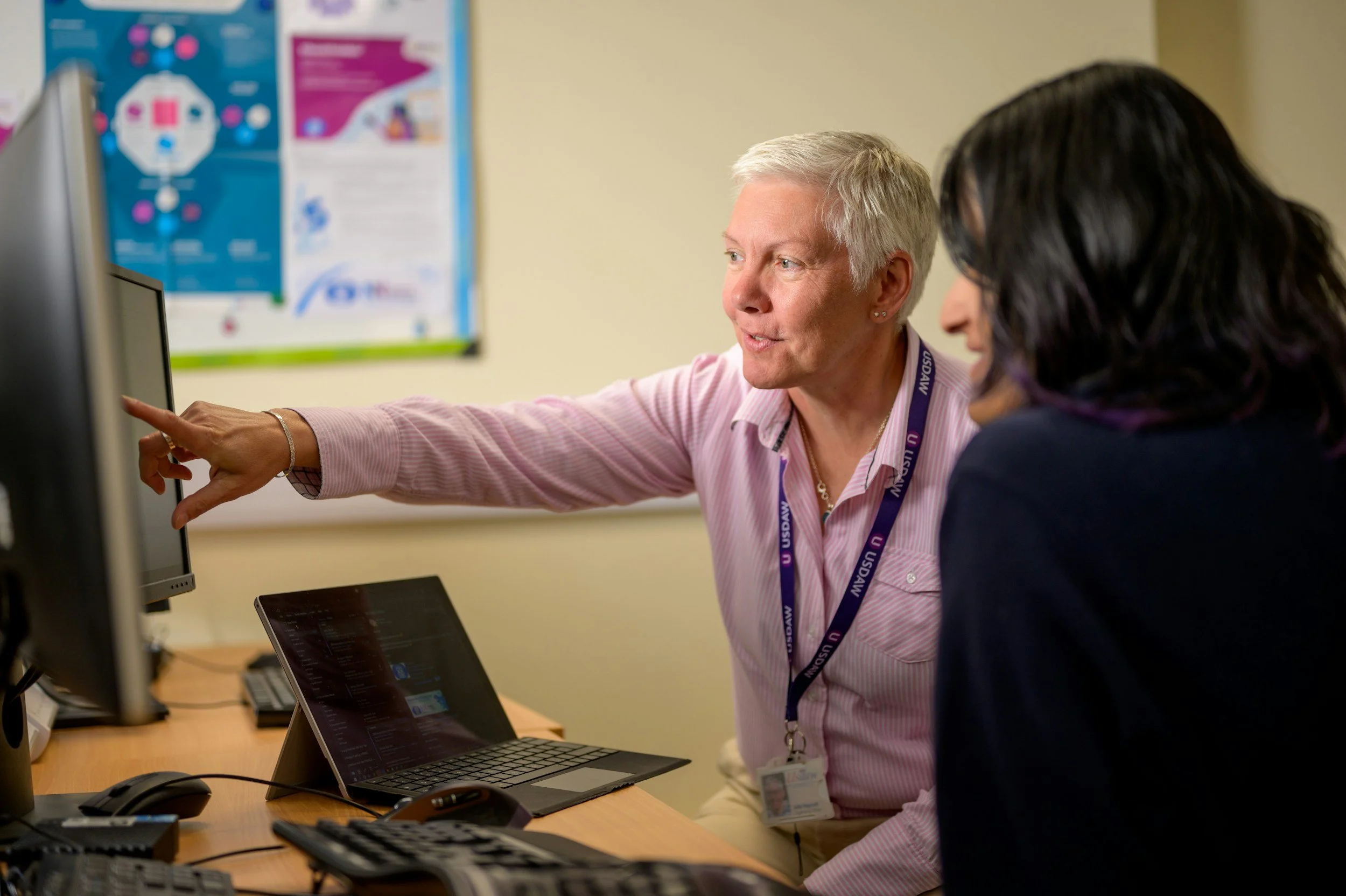
Our Approach to Dementia Care
CARE WITH A FAMILY AT ITS HEART
Specialist dementia care, centred around the person.
At Optima Care Group, our approach to dementia care starts with a simple principle: a person is much more than their diagnosis.
Every person brings with them a lifetime of relationships, experiences, routines, preferences and memories that continue to shape who they are.
Our starting point is therefore not simply a person's diagnosis or care needs. It is the person themselves.
We take time to understand who someone is, the life they have lived, the people who matter to them and how they would like to live today. From there, our teams work alongside residents and their families to provide individualised care that supports comfort, choice, dignity and quality of life.
Our Foundations of Care
Our approach to dementia care across Optima Care Group is built around four connected Foundations of Care:
Education
Environment
Family Care
Personhood & Identity
These are not simply values displayed on a wall. They provide a framework for how we think about dementia care, how we understand the people living within our homes, how we develop our teams and how we continually assess and improve the services we provide.
Importantly, our Foundations also shape our education and training.
Our dementia education and development programmes are written internally by our Dementia Care Consultant and built around the realities of supporting people living with dementia within our services. This allows learning to connect directly with everyday practice rather than relying solely on generic training packages.
Through education, observation, reflection and ongoing assessment within our services, we continually ask an important question:
What can we learn, change or develop to improve the experience of the people we support?

Family
Care is built around relationships.
Moving into a care home is a significant change for the person and those closest to them. We want families and friends to remain part of people's lives, recognising the knowledge and shared experiences they bring.
We take time to understand each person’s routines, preferences, relationships and life history, working with families to understand what good care looks like for them.
That relationship continues after someone joins us. Families are welcomed into our homes and encouraged to remain involved in ways that work for them and their relative.
Our role isn't to replace important relationships, but to support them. Our education programmes help teams understand the value of family knowledge, communication and partnership.
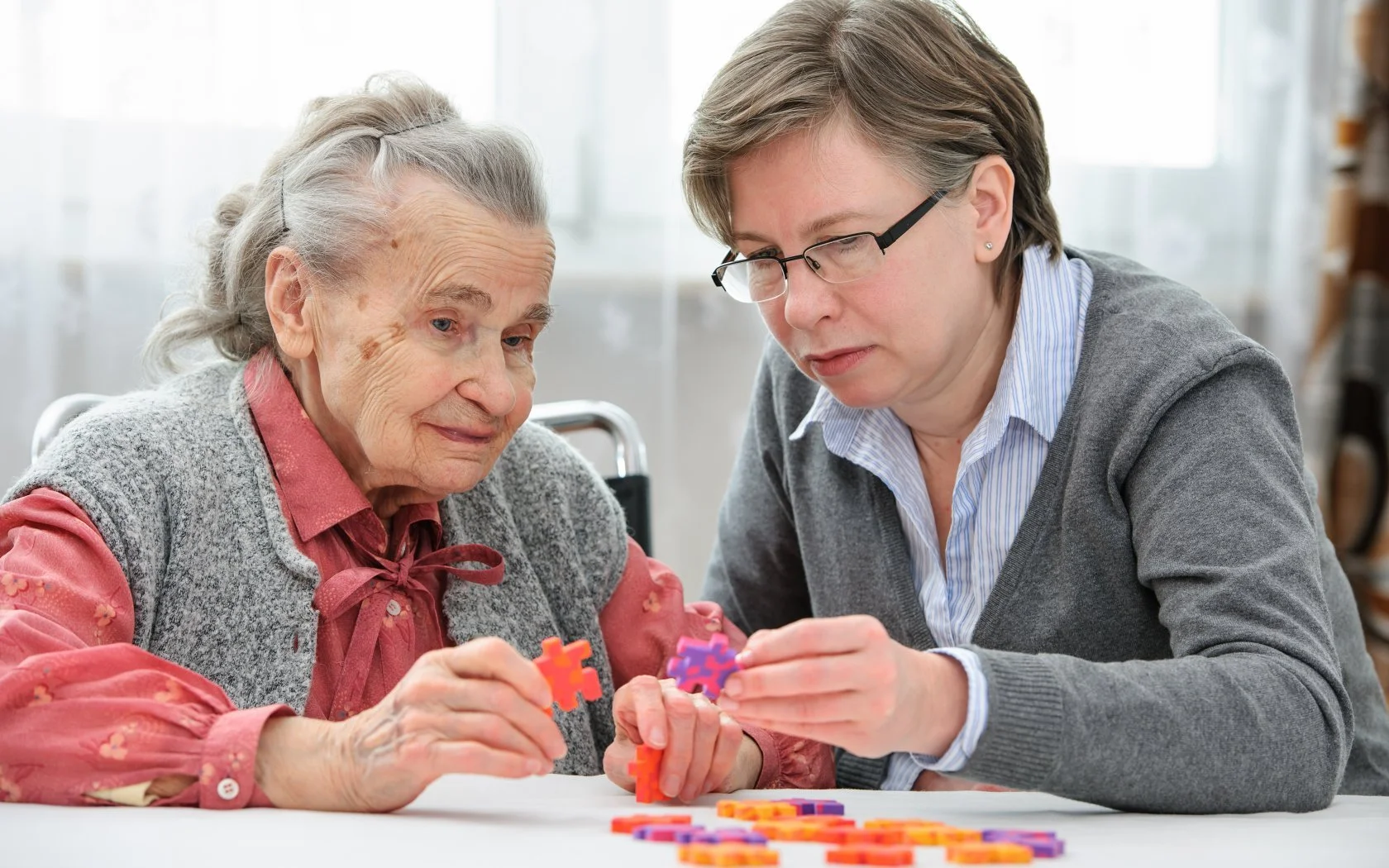
Environment
Where we live affects how we feel.
We consider the environments within our homes from the perspective of people living with dementia, looking at how spaces can support comfort, orientation, safety, independence and connection.
Personal possessions, photographs and familiar objects can help create a sense of identity and home, particularly within someone's bedroom.
Our teams are encouraged to consider how noise, lighting, layout, signage and stimulation influence people's experiences. We observe how people use their environment and adapt spaces to meet individual needs.
Does it make sense? Does it feel welcoming? Does it support independence and help someone live well?
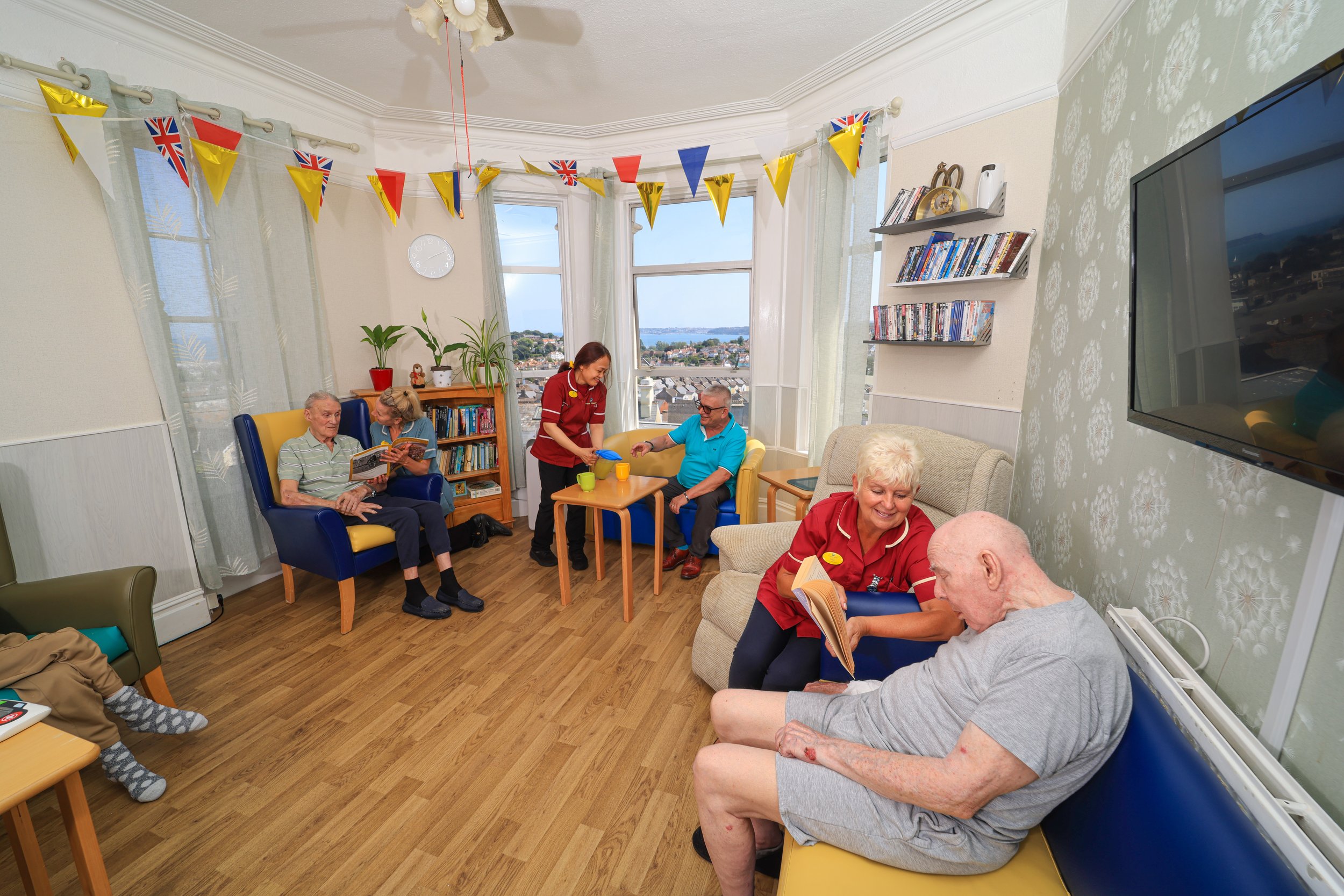
Personhood & Identity
We care for the person, not a diagnosis.
Every person brings a lifetime of relationships, interests, experiences, routines, memories and preferences. Understanding these things helps us provide meaningful, individualised dementia care.
We spend time getting to know each person and, where appropriate, speak with those who know them best. This knowledge helps our teams understand communication, recognise changes and respond to individual needs.
Dementia may change how someone experiences the world or communicates, but it does not remove their personhood or identity. We focus on what people can do, want to do and enjoy doing, adapting our support as their needs change.
Our education encourages teams to look beyond diagnosis and ask:
“Why might this be happening?”
“What might this person be communicating?”
“What do we know about them that could help us understand?”
Education
Learning should lead to better care.
Education is fundamental to how we develop dementia care across Optima Care Group. Our approach goes beyond mandatory training, with internally developed programmes structured around our Foundations of Care.
We connect learning directly to the experiences within our services, continually assessing practice and identifying where greater understanding or changes may be needed.
Our aim is for teams to understand not only what they do, but why it matters and how their decisions and interactions affect the people they support.
We learn from residents, families, our teams, professional guidance, evidence and reflection. By developing education internally, we can adapt our learning as understanding, evidence and the needs of people within our services change.
Education is part of how we continually assess, challenge and develop the dementia care we provide

Thinking about care? We're here to help.
Choosing care for yourself or someone you love can feel like a big decision. Our team is here to answer your questions, talk through your options and help you understand what happens next.